Blepharoplasty Eyelid Surgery in Belfast
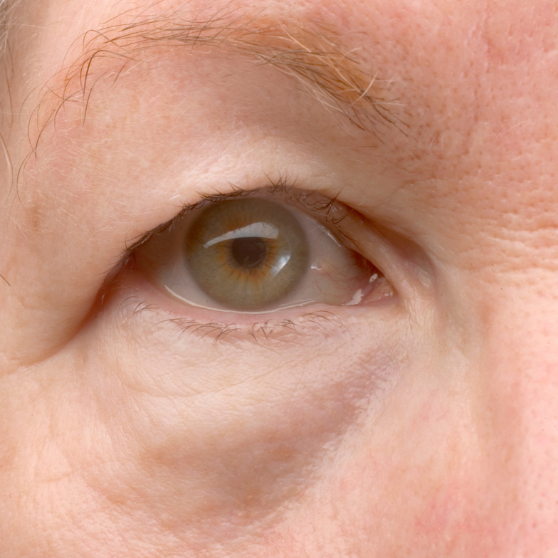
Heavy upper eyelids, hooding and under-eye bags can leave you looking tired, even when you feel well rested. In some cases, excess upper eyelid skin can also restrict your field of vision. Blepharoplasty removes excess skin and, where appropriate, fat from the upper eyelids, lower eyelids or both. At Array Aesthetics, eyelid surgery in Belfast is led by consultant ophthalmologist and oculoplastic surgeon Mr Konstantinos Kopsidas at our RQIA-regulated clinic on the Lisburn Road.
You can learn more about your surgeon on our team page, view starting prices on our pricelist, or explore other treatments for the eye area in our solutions section.
Blepharoplasty Overview
Blepharoplasty, also known as eyelid surgery or eyelid reduction, removes excess skin and, where appropriate, fat from the upper eyelids, lower eyelids or both. It addresses concerns such as hooding, heaviness and under-eye bags that skincare and non-surgical treatments cannot always correct. In some patients, excess upper eyelid skin can restrict the field of vision, meaning surgery may improve both appearance and function. At Array Aesthetics in Belfast, each procedure is individually planned following a detailed assessment of your eyelid anatomy, skin quality, brow position and treatment goals.
Choosing Blepharoplasty
Blepharoplasty may be suitable for patients concerned about heavy upper eyelids, excess skin or persistent under-eye bags that non-surgical treatments do not fully address. The aim is to create a more rested appearance while preserving your natural facial features. Suitability depends on several factors, including eyelid anatomy, eye health, tear production and brow position, all of which are carefully assessed before a plan is agreed. In some cases, a brow procedure, ptosis surgery or non-surgical treatment may be more appropriate. Your surgeon will explain the available options and recommend an approach based on your individual needs.
Blepharoplasty at Array is led by consultant ophthalmologist and oculoplastic surgeon Mr Konstantinos Kopsidas (GMC: 7125463), a Fellow of the European Board of Ophthalmology and international lecturer in oculoplastics, within a multi-doctor clinical team.
Blepharoplasty vs. Non-Surgical Treatments
Non-surgical treatments can address different concerns around the eyes. Tear trough filler can restore volume to hollows beneath the eyes, polynucleotides may help improve skin quality in the delicate under-eye area, and anti-wrinkle injections can soften fine lines caused by facial movement. Blepharoplasty may be more appropriate when excess eyelid skin, hooding or prominent fat deposits are the main concern, as these are structural and may not respond fully to non-surgical treatments. For some patients a brow procedure comes first, and occasionally the right advice is not to operate at all.
Results and Longevity
Early improvements become visible as swelling and bruising settle over the first few weeks, although the eyelids can continue to heal and refine over several months. Incisions are carefully positioned to help scars become less noticeable over time. Results can last five to ten years, depending on factors such as age, skin quality, sun exposure and skincare habits. Blepharoplasty does not stop the natural ageing process, and some patients may choose additional skin treatments in the future. As with any surgery, results vary and there are risks, which your surgeon discusses with you before you decide.
Our Procedures
Upper Eyelid Surgery
Undergoing upper eyelid surgery only requires a local anaesthetic
The incision is made discreetly in the crease line above the eyelashes
The incisions are closed using very fine sutures
Lower Eyelid Surgery
Undergoing lower eyelid surgery requires a local anaesthetic
An incision is usually made from the outer part of the eyelashes
Overlapping skin will be removed during the procedure
The incisions are closed using very fine sutures
How it Works
Step 1: Initial Consultation
Your consultation begins with a review of your medical and eye health history, followed by an assessment of your eyelids, brow position and what you would like to change. You will hear what blepharoplasty can realistically achieve, what the alternatives are and what recovery involves, so you can decide at your own pace.
Step 2: Procedure Planning
If surgery is appropriate, your surgeon plans the procedure around your eyelid anatomy and the changes you hope to achieve, including how much skin and, where needed, fat to remove and where incisions sit along your natural creases. The plan, risks, recovery and costs are explained before you decide whether to go ahead.
Step 3: Pre-Procedure Preparation
Before surgery, you will receive preparation instructions, including guidance on medications and supplements that may increase bruising or affect healing. You should not stop taking any prescribed medication unless advised by your clinician. You may also need to arrange transport home and support during the initial recovery period, depending on your procedure.
Step 4: Procedure
Blepharoplasty is usually performed under local anaesthetic, with the approach confirmed before surgery. The procedure generally takes one to two hours, depending on the areas being treated. Incisions are carefully positioned according to your eyelid anatomy and treatment plan. Excess skin and, where appropriate, fat are removed before the incisions are closed using fine sutures.
Step 5: Recovery & Follow-Up
Following surgery, your eyelids may feel tight or tender, and your eyes may be temporarily dry, watery or sensitive to light. Recovery typically takes two to four weeks, although healing varies between patients. Follow-up appointments allow your surgeon to monitor your progress and provide aftercare advice. Severe pain or changes in vision require urgent medical assessment.
Procedure Details
What It Treats
Blepharoplasty addresses excess upper eyelid skin, hooding that creates a heavy or tired appearance, and bags or puffiness beneath the eyes. In some cases, removing excess skin may also improve the field of vision. Brow position and eyelid muscle function are assessed separately, as some patients may benefit from a brow procedure or ptosis surgery.
Benefits of Eyelid Reduction Surgery (Blepharoplasty)
Blepharoplasty can reduce heaviness around the upper eyelids and puffiness beneath the eyes, creating a more rested and balanced appearance. Where excess skin restricts vision, surgery may also improve the field of vision. Each procedure is individually planned to complement your natural features, with incisions carefully positioned to help minimise visible scarring.
Additional Treatments
Blepharoplasty may be combined with a browpexy or direct brow lift where brow position contributes to eyelid heaviness, or with ptosis surgery where the upper eyelid droops. Once healing is complete, tear trough filler or polynucleotides may help address remaining under-eye concerns. Your surgeon will assess suitability and advise on appropriate treatment timing.
If you are considering treatment, read what to expect during a blepharoplasty consultation before booking.
Speak To Our Team