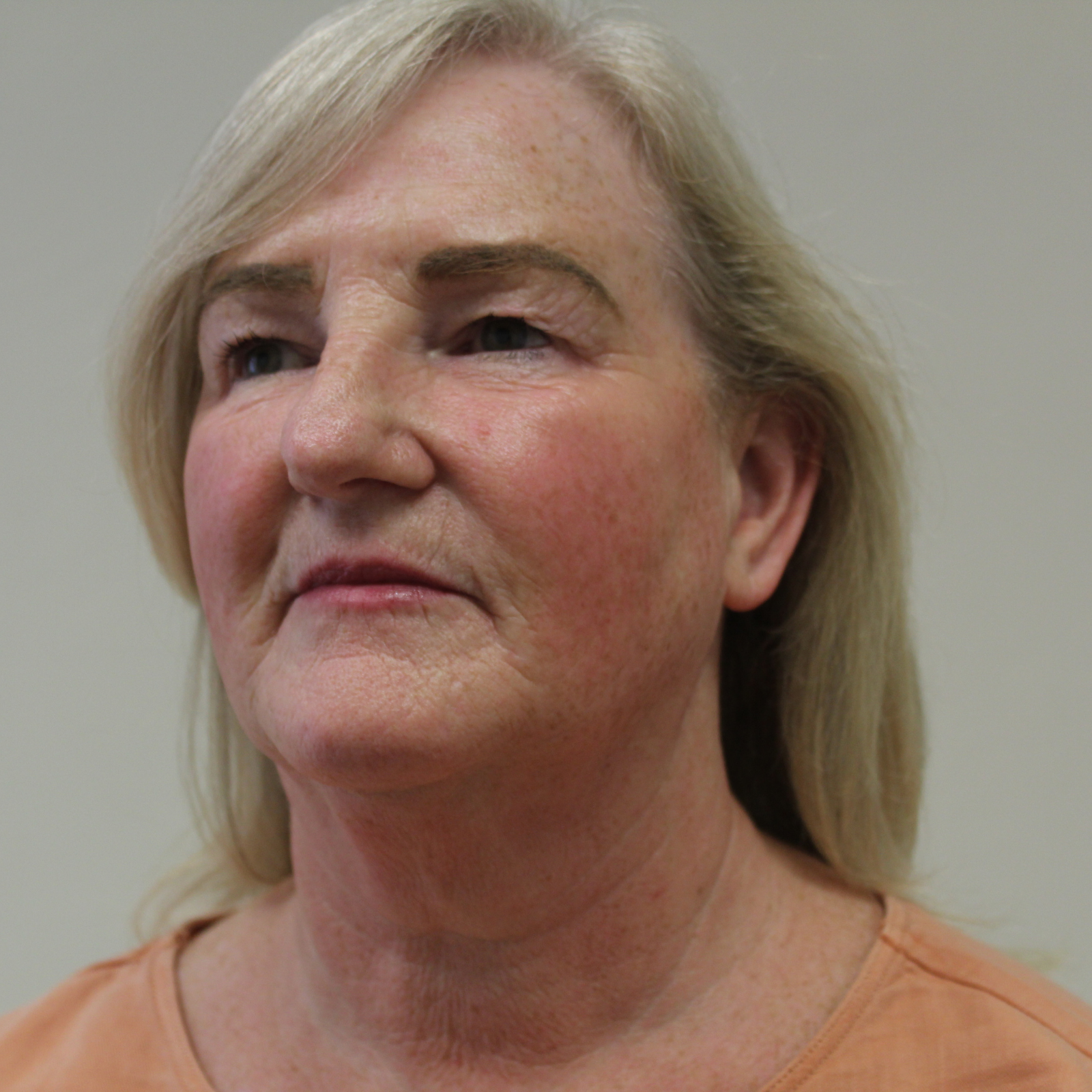
TL;DR: Morpheus8 is a microneedling treatment combined with radiofrequency energy that remodels the skin from within, improving skin texture, firmness, and the look of mild to moderate laxity across the face and neck. At Array Aesthetics in Belfast, Morpheus8 is delivered as a course of three sessions, four to six weeks apart, with most patients seeing visible improvements from around six weeks and the full result settling over three to six months.
What Morpheus8 is
Morpheus8 has become one of the most widely used energy-based skin remodelling treatments in modern aesthetic medicine, combining microneedling with radiofrequency energy to improve skin firmness, texture, and mild to moderate laxity. The device pairs two technologies: fine, coated microneedles that create precise channels into the dermis, and a controlled pulse of radiofrequency energy delivered through those needles to heat the tissue at a chosen depth. The thermal effect triggers the body's natural healing response and stimulates new collagen, elastin, and connective tissue. Over the weeks and months that follow, the result is firmer, smoother, more refined skin, with measurable improvements in laxity, texture, and tone.
In a doctor-led setting, Morpheus8 is most often used for early to moderate skin laxity, mild jowling, refined skin tightening around the lower face and neck, acne scarring, enlarged pores, and overall improvements in skin quality. It sits between non-invasive skin boosters and more involved surgical options, offering visible structural change without surgery or significant downtime.
How a Morpheus8 treatment is delivered
A Morpheus8 session at Array Aesthetics begins with a structured consultation, where the clinician examines the skin, discusses goals, and confirms that Morpheus8 is the right treatment. Treatment depth, energy level, and the number of passes are selected for that patient specifically.
Topical numbing cream is applied for around 45 minutes before treatment, which makes the procedure comfortable for most patients. The handpiece is then passed across the skin in sections, with the radiofrequency energy delivered through the microneedles at the chosen depth. A full-face Morpheus8 treatment takes around 45 minutes once numbing is complete; a face and neck protocol takes a little longer. Most patients describe the sensation as a series of brief, warm pinpricks, with moments of more noticeable warmth where energy is delivered more deeply.
What the skin looks like afterwards
Immediately after a Morpheus8 treatment, the skin looks pink to red and feels warm, with small grid-pattern marks from the microneedles visible across the treated areas. These typically settle within 24 to 48 hours, though some pinpoint dots may remain visible for up to three days. Mild swelling is normal, particularly around the jawline and under the eyes, and usually peaks in the first 24 hours before easing. A feeling of tightness across the treated skin is part of the normal response.
Morpheus8 downtime: what to plan for
One of the reasons Morpheus8 has become so widely used is that the downtime is genuinely manageable. Most patients return to work and social activities within 24 to 48 hours, with makeup acceptable from around the 24-hour mark depending on individual healing.
A realistic working timeline:
Day of treatment: pink to red skin, warmth, grid marks visible, mild swelling possible.
Day 1: residual pinkness, some swelling, grid marks fading. Makeup typically possible from this point if needed.
Days 2 to 3: skin returns close to normal appearance; fine dot marks may still be visible on close inspection.
Days 4 to 7: skin generally looks normal. Some patients notice a fine dryness or sandpaper-like texture as the skin renews.
Weeks 2 to 6: initial smoothing and tightening begin to show.
Months 3 to 6: full collagen response settles, with the final result visible.
If you're planning treatment before a wedding, holiday, or other important event, allowing at least two clear days after treatment is sensible, while six to eight weeks provides the ideal window for the early collagen response to develop.
When will I see results?
Morpheus8 is a remodelling treatment, not an immediate-effect one. From around two weeks, the skin tends to look smoother and feel firmer to the touch. From six weeks, the first visible improvements in laxity, jawline definition, and skin quality become apparent. Between three and six months after the course, the full result settles, with continued refinement of texture, tone, and firmness.
Most patients require a course of three sessions, four to six weeks apart, to achieve a meaningful result. Patients with acne scarring or more pronounced concerns may benefit from a longer course. Maintenance sessions are typically recommended once a year to preserve the result.
Who is and is not suitable for Morpheus8
Morpheus8 is suited to most adult skin types, including darker skin tones (Fitzpatrick IV to VI) where many traditional resurfacing lasers are not appropriate. It is best chosen by patients with early to moderate skin laxity, those looking to refine the lower face and jawline, those with acne scarring, and those whose skin texture has begun to lose definition with age.
It is not appropriate in cases of active skin infection in the treatment area, pregnancy, certain photosensitising medications, recent isotretinoin use, active acne flares, or in patients with implanted electrical devices such as pacemakers. Significant skin laxity may respond better to FaceTite or, in some cases, surgical assessment. The right pathway is confirmed at consultation.
Aftercare and combining with other treatments
Recovery from Morpheus8 is straightforward, though the first few days influence how cleanly the skin settles. Patients are advised to keep the skin cool for the first 24 hours and to avoid hot showers, saunas and intense exercise for 48 hours. A high-factor broad-spectrum SPF should be applied daily. Strong actives such as retinoids and acid exfoliants are paused for around five days either side of each session.
Morpheus8 sits comfortably within a wider treatment plan. Where a patient would benefit from more than skin remodelling alone, it is often sequenced alongside one of the treatments below, with the combination and its order confirmed at consultation so each has room to deliver its full effect.
Profhilo
Profhilo works on hydration and overall skin quality rather than depth or structural lift, which makes it a natural companion in the weeks between Morpheus8 sessions. As Morpheus8 remodels the deeper layers through radiofrequency, Profhilo provides bio-remodelling and sustained hydration across the surface, supporting skin quality while the collagen response develops.
Polynucleotides
Polynucleotides support the skin's own repair processes, which complement the controlled micro-injury Morpheus8 creates. Used alongside polynucleotides, the two approach regeneration from different angles, one stimulating collagen through radiofrequency and the other encouraging cellular renewal in the same treatment window.
FaceTite
For patients whose main concern is more pronounced laxity rather than surface texture, Morpheus8 is sometimes combined with FaceTite. The radiofrequency-assisted skin tightening addresses structural laxity beneath the skin while Morpheus8 refines the overlying surface. FaceTite is a minor surgical intervention delivered by Array's surgical team, so the two are staged carefully to protect both recovery and results.
Any combination is assessed and planned at consultation, never applied as a fixed package.
Why a doctor-led setting matters
Because treatment depth, energy settings, and patient selection all influence the final result, Morpheus8 should be performed in a doctor-led clinical setting where these decisions are made by experienced medical practitioners. The device itself is well established. The result depends on the judgement of the practitioner using it.
Array Aesthetics is a doctor-led, RQIA-regulated clinic on the Lisburn Road in Belfast, co-founded by Dr Chris Hutton, an aesthetic trainer and Merz innovation partner, and recognised three times as Best Clinic in Ireland and Northern Ireland at the Aesthetics Awards (2023, 2024, 2026).
Booking a Morpheus8 Belfast consultation
A consultation is the best way to determine whether Morpheus8 is the right treatment for your skin. Following assessment, the clinical team at Array Aesthetics will recommend either Morpheus8 Belfast as a standalone treatment or a personalised treatment plan designed around your concerns and goals. Appointments are arranged through the Pabau booking system on the Array Aesthetics website, or by calling the Belfast clinic on 028 9457 1840.
Frequently asked questions
How painful is Morpheus8?
Discomfort is generally mild thanks to the topical numbing applied before treatment. Most patients describe the sensation as a series of warm pinpricks, with brief moments of more noticeable warmth at deeper settings.
How many Morpheus8 sessions are needed?
A standard course is three sessions, four to six weeks apart, with annual maintenance. Patients with acne scarring or more pronounced concerns may benefit from a longer course.
How long does Morpheus8 downtime really last?
Most patients return to work within 24 to 48 hours. Grid-pattern marks fade within one to three days, and the skin looks essentially normal by the end of the first week. For events, allow six to eight weeks for the smoothing phase to develop.
Can Morpheus8 be combined with Profhilo or polynucleotides?
Yes. Profhilo supports hydration and bio-remodelling between sessions, while polynucleotides target regeneration in specific areas such as the under-eye. The plan is sequenced rather than stacked.
How much does Morpheus8 cost in Belfast?
At Array Aesthetics, Morpheus8 for the face and neck is £500 per session, or £1,250 for a course of three. Morpheus8 with PRP is £950 per session or £2,500 for a course of three.