TL;DR Varicose vein treatment in Belfast is most effective when the technique is matched to the vein. Smaller surface veins typically respond well to microsclerotherapy, larger reticular veins to foam sclerotherapy, and deeper truncal veins with venous reflux to radiofrequency ablation. At Array Aesthetics, varicose vein treatment in Belfast is led by Ms Gemma McKevitt, Consultant Vascular Surgeon, and guided by duplex ultrasound, so the source of the problem is treated, not just the surface.
What patients notice, and what is actually happening
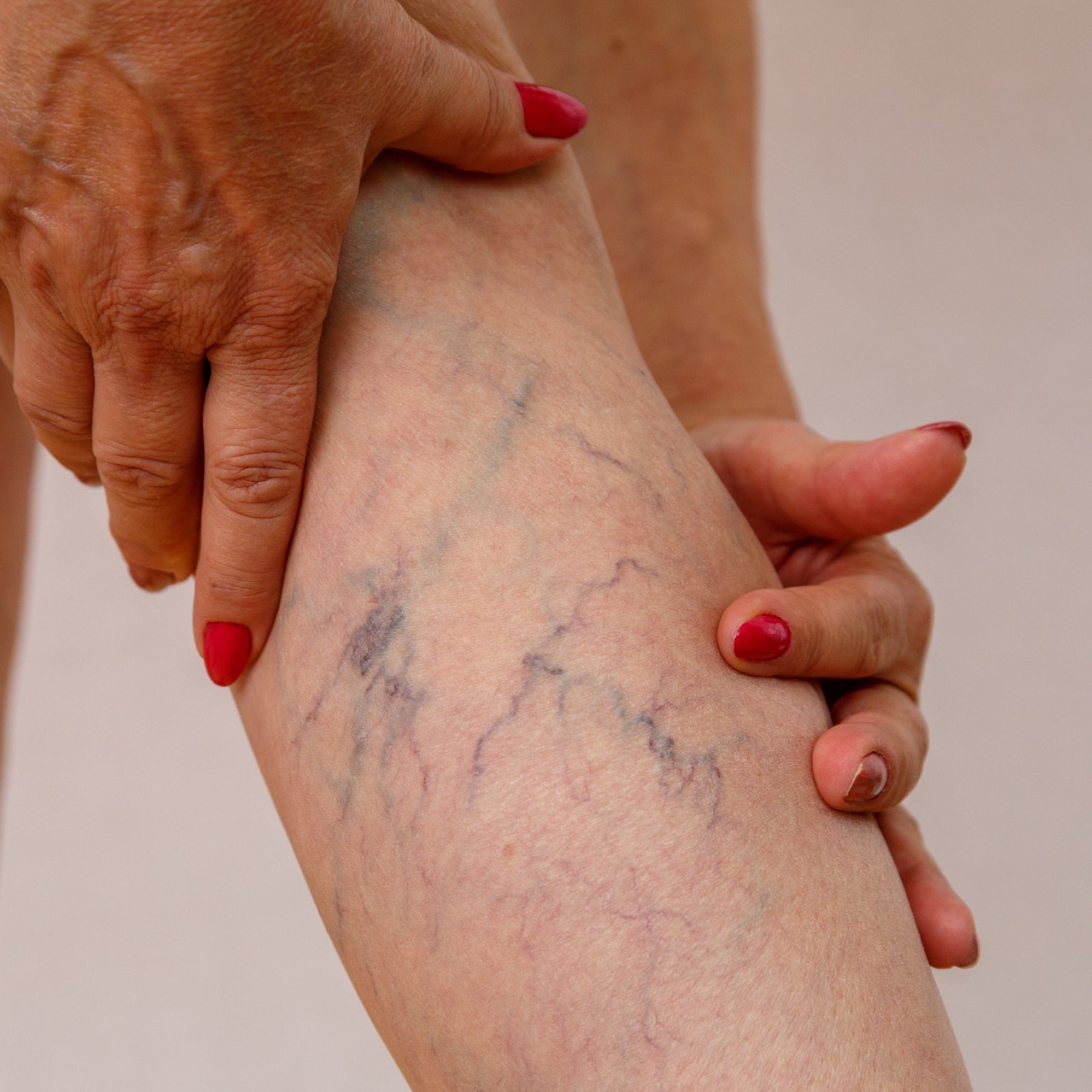
Most patients notice varicose veins long before they understand them. The first signs are visual: rope-like veins on the calf or thigh, fine clusters of thread veins behind the knee, a heaviness in the legs that arrives by mid-afternoon, an aching that settles in after a long day on the feet. For some patients those signs remain mild for years. For others, swelling, restlessness, and skin discolouration around the lower leg gradually take hold.
Beneath the surface, the explanation is consistent. Small one-way valves inside the leg veins lose the ability to close fully, blood pools rather than flowing back toward the heart, and the affected veins enlarge over time. Some of this disease is visible. A good deal of it is not. The decision about which varicose vein treatment to choose depends almost entirely on what is happening beneath the skin, which is why mapping the venous anatomy with duplex ultrasound is the first step of any serious vein consultation.
The three core techniques in modern vein care
Three minimally invasive techniques sit at the centre of contemporary vascular care: microsclerotherapy, foam sclerotherapy, and radiofrequency ablation. Each addresses a different layer of the venous system, and each is chosen for specific reasons. In a consultant-led setting, they are rarely viewed as alternatives to one another. They are tools used in combination to address the full picture revealed on ultrasound.
Microsclerotherapy
When the concern is fine thread veins or spider veins close to the surface of the skin, microsclerotherapy is usually the most appropriate option. A very fine needle is used to introduce a small volume of liquid sclerosant directly into the vein. The solution irritates the vein wall, prompting it to collapse and seal. Over the weeks that follow, the treated vein fades from view and is gradually reabsorbed by the body, while blood is naturally redirected through healthier veins beneath.
Microsclerotherapy works best when the underlying venous system is otherwise healthy. It is also a valuable finishing step once larger veins have been addressed, refining the appearance of any remaining surface vessels and giving the legs a more even final result.
Foam sclerotherapy
Foam sclerotherapy is chosen when the veins involved are too large for liquid sclerosant but do not require thermal closure. The sclerosant is mixed with a small amount of air or gas to create a foam, which displaces blood within the vein, increases contact with the vein wall, and remains in place longer. The result is greater treatment effect across the kind of medium and larger reticular veins where liquid sclerotherapy would simply wash through.
In practice, foam sclerotherapy is frequently used alongside radiofrequency ablation rather than instead of it, addressing the tributaries that branch from a larger refluxing vein once the main source has been closed.
Radiofrequency Ablation
For larger truncal veins, most commonly the great or small saphenous veins, where duplex ultrasound identifies clear venous reflux; radiofrequency ablation is the contemporary alternative to traditional vein stripping. A fine catheter is introduced into the vein under local anaesthetic and delivers controlled thermal energy along its length, sealing the vein from within. Blood is rerouted through healthier circulation pathways, and the treated area is gradually reabsorbed by the body.
This is the option that matters most when symptoms, rather than appearance, are the patient's primary concern. Aching, heaviness, swelling, and skin changes around the lower leg almost always point toward an underlying refluxing vein, and addressing that source is what produces lasting relief.
Choosing the right varicose vein treatment
The choice of technique is rarely a question of patient preference alone. It is shaped by what the ultrasound reveals. As a working guide, the table below summarises how each option maps to the kind of vein it is designed for.
Technique | Best suited to | Typical concern addressed Microsclerotherapy | Fine thread veins and spider veins close to the surface | Cosmetic appearance Foam sclerotherapy | Medium and larger reticular veins | Cosmetic and mild symptomatic Radiofrequency ablation | Larger truncal veins with venous reflux | Aching, heaviness, swelling, skin changes
Many patients benefit from a staged combination. A larger refluxing vein is closed with radiofrequency ablation; the related tributaries are treated with foam sclerotherapy, and any remaining surface threads are refined with microsclerotherapy at a follow-up visit. The order is deliberate. Treating the surface first risks recurrence; treating the source first delivers durable results.
What to expect from a consultation
A varicose vein consultation at Array Aesthetics begins with a clinical history, an examination of the legs while standing, and a duplex ultrasound scan to map the venous anatomy beneath the skin. The scan identifies where reflux is occurring, how extensive it is, and which veins are contributing to the symptoms or the appearance. Only then is a treatment plan proposed.
Each technique is carried out under local anaesthetic on a same-day basis, with a typical session lasting 20 to 30 minutes. Patients return home the same day and most return to light daily activity within 24 to 48 hours. Compression stockings are worn for one to two weeks following sclerotherapy or radiofrequency ablation, and the vascular team provides written, personalised aftercare at the time of treatment.
Why duplex ultrasound changes the conversation
The single factor that distinguishes a consultant-led vein pathway from a generic cosmetic vein service is the use of diagnostic duplex ultrasound to guide treatment. Without it, varicose vein treatment is essentially educated guesswork at the surface. With it, the clinician sees which veins are refluxing, which are healthy, and which tributaries feed which sources. That information determines not only which technique to use, but the order in which the treatments are sequenced and the realistic outcome a patient can expect.
Ms Gemma McKevitt, GMC 6144036, is a Consultant Vascular Surgeon and the first trainee in Northern Ireland to complete training solely in vascular surgery. She leads the Vein Clinic at Array Aesthetics, where varicose vein treatment is delivered within an RQIA-regulated medical setting. The National Institute for Health and Care Excellence recommends that patients with symptomatic varicose veins be referred to a vascular service for assessment, with endothermal ablation considered first-line where appropriate, and ultrasound-guided foam sclerotherapy where it is not (NICE, 2013). That framework is the one Array's Vein Clinic operates within.
How to begin
A vein consultation is the most useful first step for anyone weighing up treatment. It clarifies what is happening medically, what is achievable cosmetically, and which combination of techniques sits behind the right outcome. Consultations at Array Aesthetics are arranged through the website booking system or by telephoning the Belfast clinic directly on 028 9457 1840.